
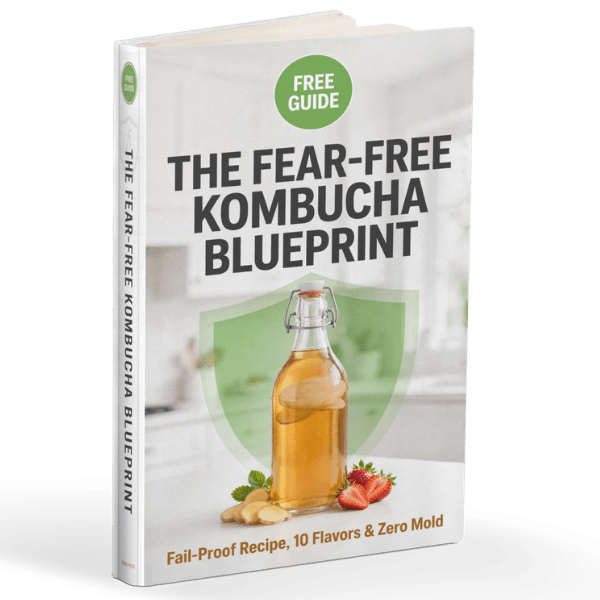
Get this FREE
10 Flavourful KOMBUCHA
recipes and
how to Avoid MOLD Blueprint.
For weekly new KOMBUCHA posts on how to brew at home safely and learn the ins and outs of this fantastic home ferment,
scroll to the bottom or click the "Articles" tab for weekly new amazing posts combined with an explanation video.
What is KOMBUCHA
Ever wondered what kombucha is, how to make it, or how to ensure you're brewing safely? Well, you're in the right place! Let's get started.
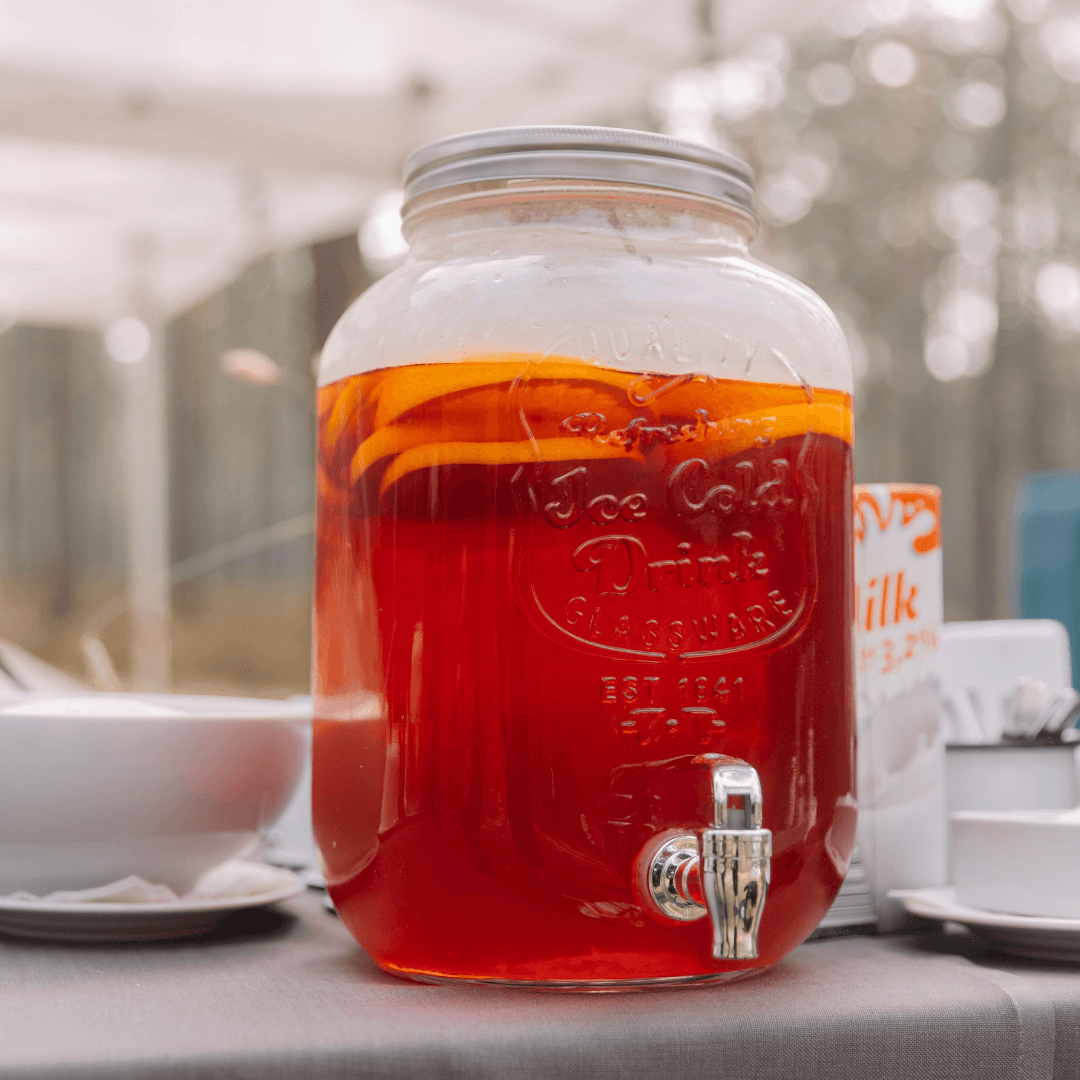
I'm super excited to show you how to take your home-brewed kombucha to the next level with a second fermentation! This is where we add some extra fizz and flavour to our delicious drink. Let's dive in!

Before we get started, make sure you've already completed the first fermentation. Your kombucha should look something like this – slightly tangy and a bit fizzy. Now, let's get ready for round two!
Fermenting your own kombucha at home can be incredibly rewarding, but there are a few things that can go wrong. Don't worry, though – we've got you covered with tips on how to avoid these common pitfalls. Let's get started!
we're diving deep into the world of SCOBY – the magical ingredient that makes kombucha possible. We'll cover where the SCOBY comes from, why it's so important, and how to keep it healthy. Let's get started!
Today, we're going to show you how to make a kombucha SCOBY from scratch. If you don't have a SCOBY yet, don't worry – by the end of this post, you'll know exactly how to grow your own. Let's get started!
While they can give your brew a unique flavour, they can also affect the fermentation process differently because of their varying levels of molasses and minerals,
Whether you're a newbie or a seasoned brewer, having the right jar can make all the difference in your brewing process,
we’ll explore the different types of tea you can use, what makes them unique, and which ones might be better left for your morning “cuppa” rather than your kombucha brew.
Today, we're diving into everything you need to know about acidity—how it affects your brew, when it's safe to drink, and why it’s essential for keeping Mold at bay.
Heat mats can help you maintain a consistent temperature, ensuring your kombucha ferments properly and develops that perfect tangy flavour.

The longer your kombucha ferments, the more acidic it becomes.
This happens because the yeast and bacteria in the SCOBY are consuming the sugar in your tea and producing acids like acetic acid, which gives kombucha its tangy, vinegary taste.
Mold can ruin your kombucha, rendering it unsafe to drink and wasting your time and ingredients. Fortunately, there are several steps you can take to prevent Mold from forming in your kombucha and ensure a healthy, resilient brew.
What if I told you that by switching to Oolong tea, you aren't just changing the flavour profile—you might actually be adding years to your life?

We’ll explore the role of vinegar in kombucha brewing, the effects it can have on your brew, and whether or not it’s a good idea to add it to your kombucha.

SCOBY hotel: How to keep safe and build a safe spare SCOBY storage.
Starting your own kombucha journey can feel a little daunting.
The good news is that most problems come from a handful of predictable mistakes.
By spotting them early and applying simple fixes, you can get your brew tasting, fizzing, and thriving again—safely and confidently.
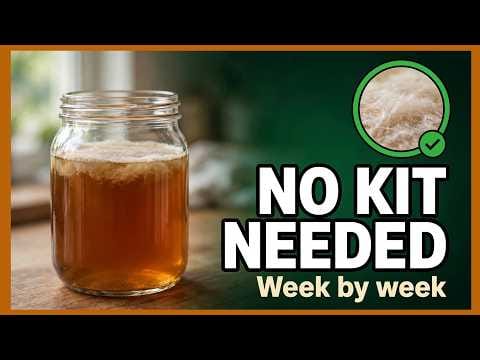
Grow a SCOBY at Home: A Friendly Step-by-Step Guide for Beginners
If you’re keen to start brewing kombucha but feel a bit nervous about getting a healthy SCOBY.
You’re in the right place.
This week-by-week approach helps beginners grow a SCOBY at home, starting from nothing and progressing to your first brew with confidence.
We’ll keep it practical, safe, and focused on what you can do in your own kitchen.
7 Kombucha Mistakes Ruining Your Brew (Fix Them Today)
Starting your own kombucha journey can feel a little daunting. The good news is that most problems come from a handful of predictable mistakes. By spotting them early and applying simple fixes, you can get your brew tasting, fizzing, and thriving again—safely and confidently.
What will you learn?
In this post, we walk through the seven most common home-brewing errors and how to correct them.
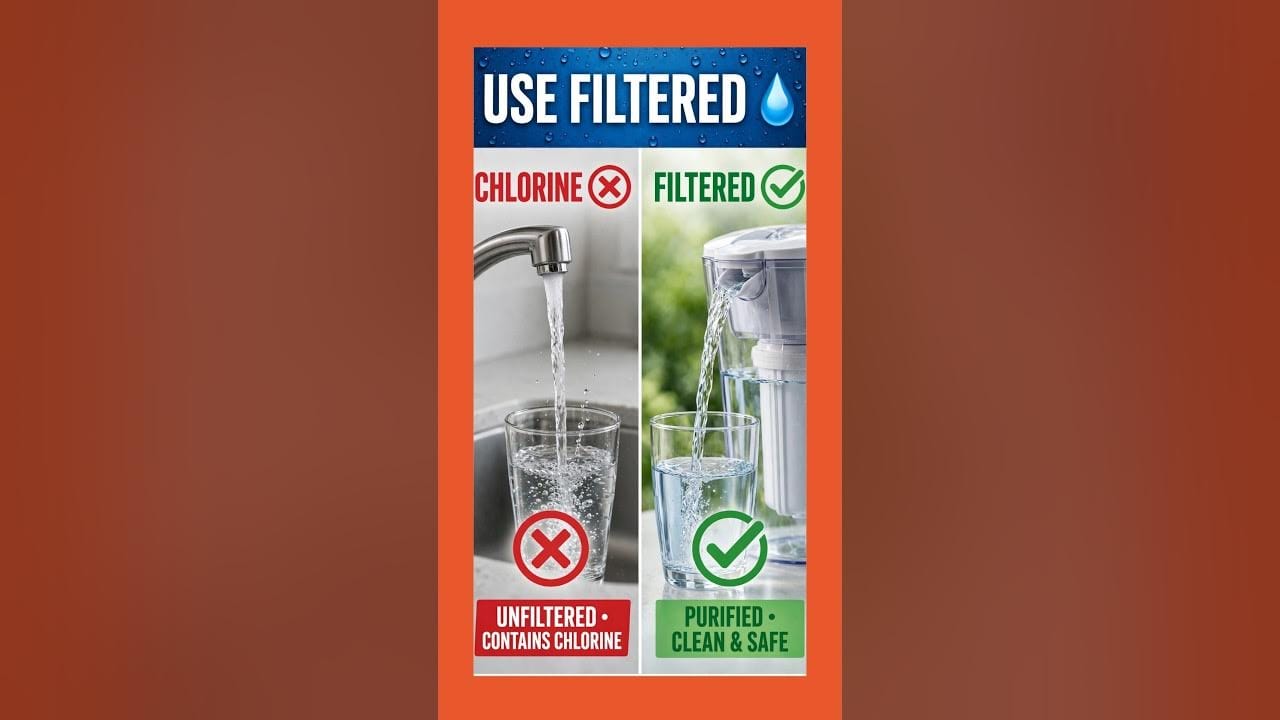
Water quality matters: getting the best water for your KOMBUCHA
If you’re new to kombucha, one of the simplest things to fix first is the water you use. Water quality can make or break a brew, especially for beginners who are still learning how to keep a healthy SCOBY thriving.
In this guide, we’ll focus on the common issue many home brewers face:
Chlorine in tap water and how to deal with it quickly and safely.

Created with © systeme.io